Guide to Managing and Viewing Your NFT Collection
Master the Skills of NFT Collection Management
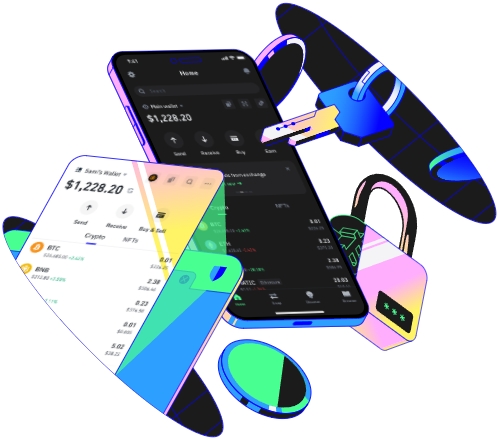
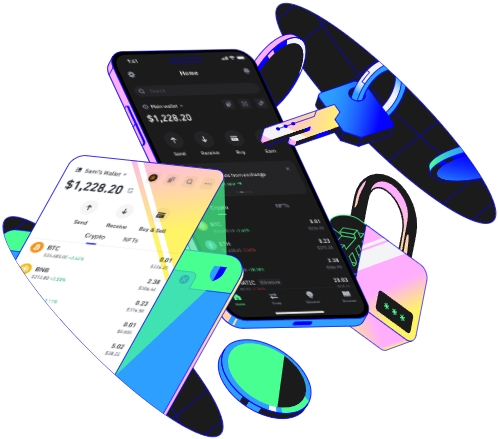
Managing and viewing your NFT collection is a multi - faceted task that requires a good understanding of the digital asset ecosystem. First, you need to choose a reliable wallet. A wallet serves as the storage space for your NFTs, just like a safe for physical assets. Popular wallets such as MetaMask, Trust Wallet, and Coinbase Wallet are well - known in the market. MetaMask, for example, is highly customizable and supports a wide range of blockchains. It allows you to connect to different decentralized applications (dApps), which is crucial when interacting with NFT marketplaces. Trust Wallet, on the other hand, offers a user - friendly mobile experience, making it convenient for you to access your NFTs on the go. When choosing a wallet, consider factors like security, supported blockchains, and ease of use.
Once you have a suitable wallet, the next step is to organize your NFT collection. Categorization is key here. You can categorize your NFTs based on their types, such as art, collectibles, virtual real estate, or utility - based NFTs. For art - based NFTs, you can further divide them by artist, style, or theme. This not only makes it easier for you to find specific NFTs but also gives you a clear overview of your collection's composition. You can use spreadsheets or dedicated NFT management tools to keep track of details like purchase price, date of acquisition, and current market value. This data can be invaluable when making decisions about buying or selling NFTs.
Viewing your NFT collection is also an important aspect. Many wallets come with built - in viewing features. You can simply open your wallet and see a visual representation of your NFTs. However, some advanced platforms offer more immersive viewing experiences. For instance, virtual reality (VR) platforms are emerging that allow you to display your NFT art in virtual galleries. This creates a more engaging way to showcase and appreciate your collection. Additionally, there are online marketplaces that provide detailed views of NFTs, including high - resolution images, metadata, and historical trading information.
Another crucial part of managing your NFT collection is staying updated on the market. The NFT market is highly dynamic, with prices and trends changing rapidly. Follow industry news, join NFT communities on social media platforms like Discord and Twitter, and participate in relevant forums. This will help you understand market sentiment, discover new opportunities, and make informed decisions about your collection. For example, if a particular artist's NFTs are gaining popularity in the community, it might be a good time to consider investing in their works or holding onto the ones you already own.
Finally, security should never be overlooked. Since NFTs represent valuable digital assets, they are potential targets for hackers. Use strong passwords, enable two - factor authentication (2FA) on your wallet, and be cautious when interacting with unknown dApps or links. Regularly back up your wallet's private keys and store them in a secure location. By taking these security measures, you can protect your NFT collection from unauthorized access and potential losses.